
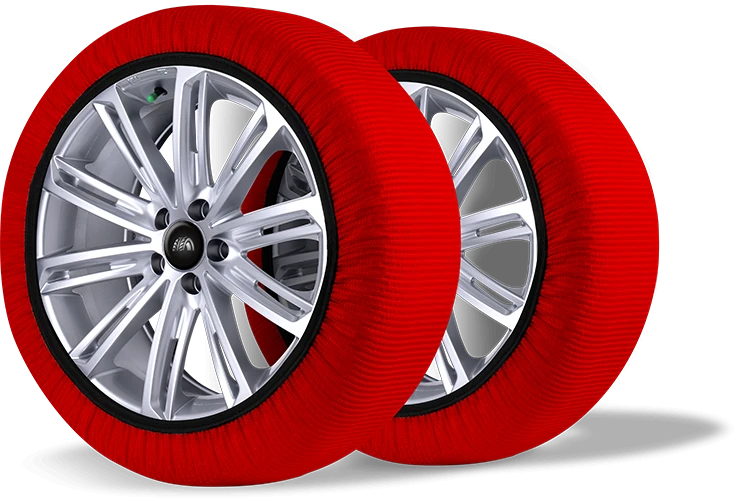
Snow and ice are not sufficiently precise descriptions for a universal performance promise. When reading about a snow sock, ask what surface was actually present and what the vehicle was shown or measured doing.
Describe the surface before the result
Fresh snow, compacted tracks and a visibly icy slope are different descriptions. Even within a short journey, conditions may change. A review that says only “worked in winter” leaves too much unknown to support a conclusion for your own route.
Separate moving from stopping
A demonstration of starting or climbing does not measure braking distance. Steering response and wear are also separate subjects. Look for an explained method rather than combining several outcomes into a single phrase such as “complete grip”.
Give support a useful question
Instead of asking whether the product handles “everything”, describe the route and ask whether the exact model is intended for those conditions. Include the tyre size and vehicle details, and distinguish what you know from what you expect.
- Identify the product and vehicle.
- Describe the observed or expected surface.
- Ask about the relevant task and limitations.
The more specific the conditions and outcome, the more useful the evidence becomes. Leave room to change the travel plan when the real road differs from the conditions you prepared for.

