
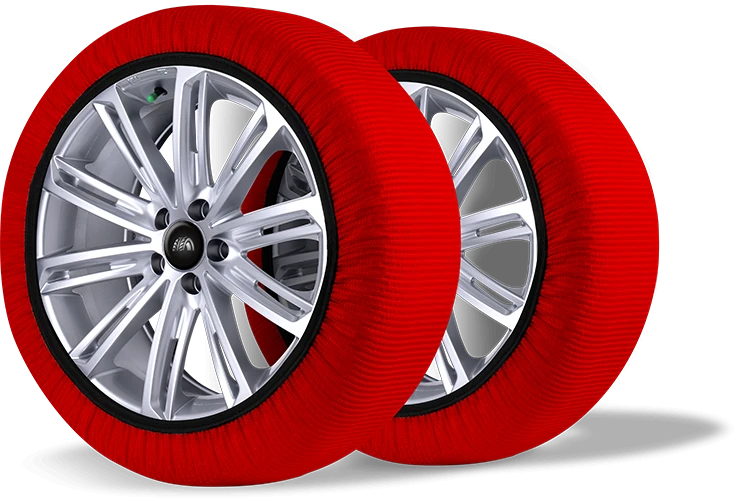
A vehicle that cannot move is not automatically facing a problem that a snow sock can solve. The surrounding conditions, the vehicle’s position and the product’s intended use all need to be considered.
Do not assume the cause
Loss of progress may involve more than tyre traction. The vehicle’s clearance, the depth or condition of material around it and other circumstances can matter. A brief clip or the description “stuck in snow” does not establish a safe recovery method.
Avoid escalating an experiment
Repeated abrupt inputs or an improvised fitting arrangement should not replace the vehicle and equipment instructions. Follow relevant local emergency and assistance guidance. An appropriate safe assessment is more important than proving that a purchase can solve the situation.
Prepare useful information for help
When it is safe to do so, identify the location, vehicle and observed problem for the relevant assistance provider. Distinguish what you can see from a diagnosis. Keep product details available if equipment has been fitted, but do not treat them as the only information that matters.
- Assess the actual situation
- Follow appropriate instructions
- Seek suitable assistance when needed
Carry equipment as part of preparation, not as a guaranteed recovery system. If the situation exceeds the product’s intended use or cannot be assessed safely, use an appropriate assistance plan instead of inventing one.

