
A snow-sock speed limit is a ceiling in the relevant instructions, not a target to reach. The exact product, vehicle guidance, road restrictions and actual conditions all matter; a number copied from another brand is not a reliable substitute.
Identify which limit you are reading
Check that the instruction belongs to your series and product version. A tyre speed rating is a different specification and does not establish the permitted operating speed of a removable traction device. Similarly, a general road limit does not override a lower product restriction.
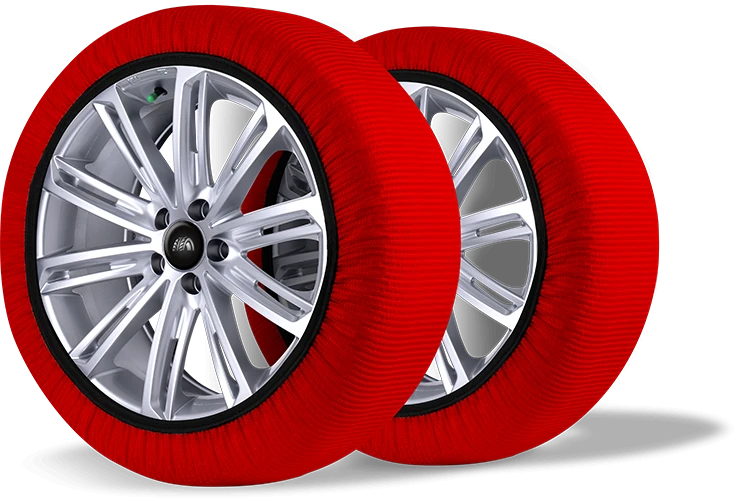
Do not turn a maximum into a recommendation
Poor visibility, bends, gradients or a slippery surface can call for a lower speed than a printed maximum. Equipment does not remove the need to assess the road. Plan extra time rather than treating a winter journey as a normal schedule with an accessory added.
Resolve conflicting numbers before travelling
If the box, website and saved guide show different figures, retain the exact texts and ask the manufacturer which applies. Include the product identity. Do not simply select the highest value or assume the newest page design is the definitive instruction.
- Exact product guidance
- Relevant vehicle and road restrictions
- A lower speed when conditions require it
Keep the confirmed limit with the kit and reassess the journey as conditions change. A clear operating instruction is more useful than a memorised number whose product and context are unknown.

