
Fitting snow socks does not create a known, fixed stopping distance for your journey. Keep winter conditions central to speed and following-distance decisions rather than assuming that additional equipment removes the need for extra space.
Do not infer braking from traction
A vehicle moving away successfully demonstrates a different action from braking. Unless the relevant stopping performance has been measured under identified conditions, do not turn a general product claim into a numerical reduction in the space you leave ahead.
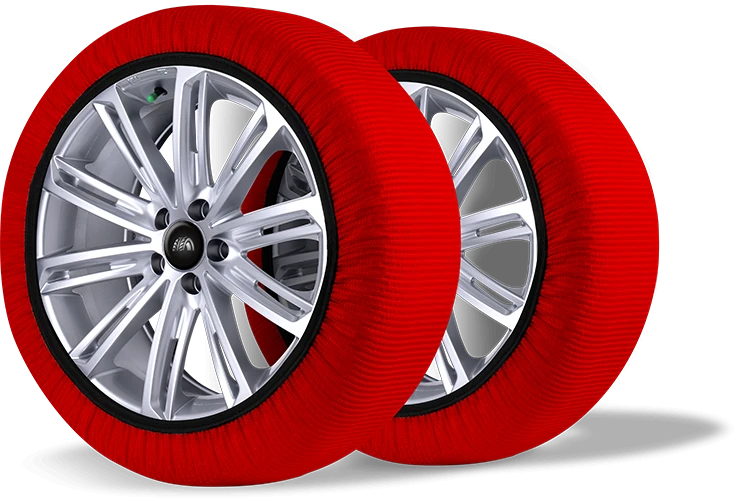
Allow the journey to take longer
Poor visibility, changing surfaces and road activity can affect the trip. Plan enough time that the schedule does not pressure you to drive at a familiar pace. An equipment operating limit is a ceiling under its relevant instructions, not a recommendation to reach that speed in every situation.
Reassess as the road changes
Conditions can differ along a short route. Keep attention on the available road and traffic information, and follow vehicle, product and local instructions. Do not let a successful earlier section become proof that the next one needs the same driving decisions.
- No assumed braking-distance gain
- More time for a changing journey
- Ongoing assessment of the actual road
Use snow socks within a wider winter-driving plan. The equipment choice should sit alongside an appropriate speed and space strategy, rather than being used to justify reducing the margin for what you cannot yet see or measure.

