
An unexpected sound, movement or feel is a reason to reassess use, not to rely on a general claim that the product is quiet. Follow the relevant instructions and reach an appropriate safe stopping situation rather than trying to diagnose it while driving.
Describe the observation accurately
Write down what happened, when it began and what conditions were present. Distinguish a sound you heard from a part you have actually seen damaged. A clear observation helps avoid turning an uncertain symptom into a confident but unsupported cause.
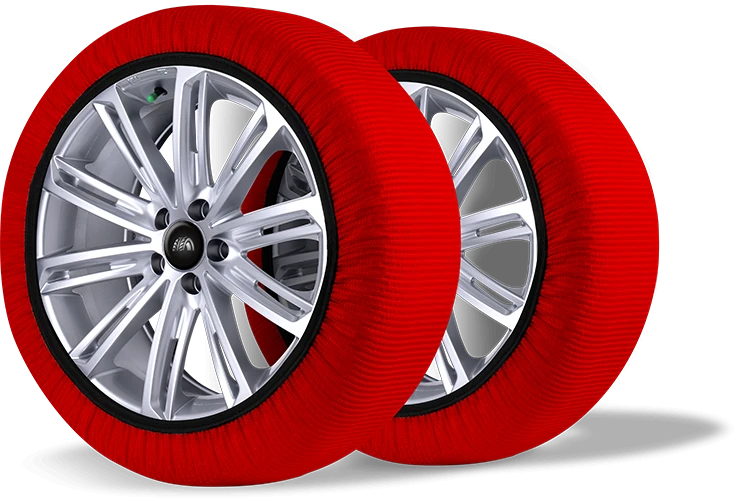
Check the documented setup
When it can be examined safely, compare the product position and condition with the instructions. Reconfirm the tyre and product identities if needed. Do not assume that a previous correct fitting proves the current arrangement is unchanged.
Ask with enough context
Provide the exact model, tyre code, fitting instructions used and clear photographs. Include whether the surface had changed. Avoid repeatedly continuing use simply to reproduce a symptom for a video.
- What was noticed
- Where and when it occurred
- What the stationary inspection shows
Keep the item out of the ready-to-use kit while a material uncertainty remains. The aim is a product-specific answer based on evidence, rather than a diagnosis created from a generic internet description.

