
Reuse is a product-condition question, not a promise based on how many winters have passed. Follow the instructions for the exact snow sock and inspect it before relying on it again.
Keep the history meaningful
A set carried in the boot for three winters and a set used repeatedly are not equivalent examples. Record when it was fitted, the approximate journey and the surfaces encountered. The record helps explain the item in front of you; it does not create a guaranteed remaining life.
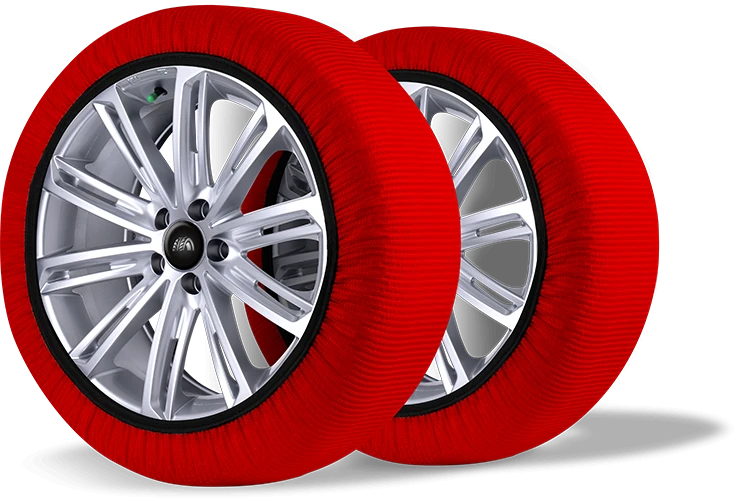
Inspect the complete item
Check the areas identified in the product directions, including the textile, seams and fitting regions. Look at both socks rather than assuming they have worn identically. If you find damage or are unsure about what you see, obtain model-specific guidance instead of copying a tolerance stated for another brand.
Prepare for the next use
Follow the relevant cleaning, drying and storage instructions. Keep the product identity and size information readable, especially if packaging is being replaced. Before another journey, reconfirm compatibility if the tyres or vehicle have changed.
- Review the use history.
- Inspect both items.
- Resolve uncertainty before travel.
A useful reuse decision combines the actual condition with the correct instructions. “Only used once” and “looks nearly new” are descriptions to investigate, not automatic permission to continue using a damaged item.

