
A short use log can help you understand the snow socks you are inspecting. It should record relevant facts, not turn an estimated journey into a guaranteed remaining service life.
Record the product and journey
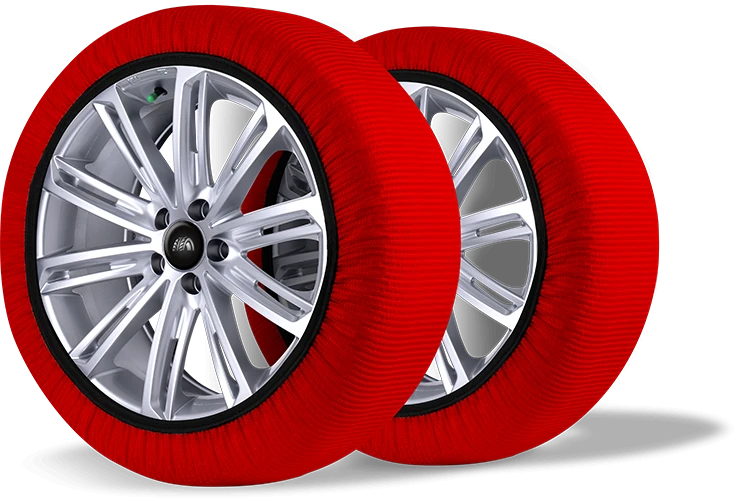
Keep the series and product code with the date used. Note the vehicle, tyre size and approximate travel involved when known. If a distance is only estimated, label it as an estimate rather than treating it as a measured test.
Describe conditions that matter
Write down the surfaces encountered and any unexpected event. A log that says “used once” leaves much more unknown than one that describes a short snowy approach followed by removal. Do not invent missing details after the event to make the account appear complete.
Connect the history to inspection
After following the relevant care directions, inspect the actual items. Use the history to explain questions to support, particularly if the two socks look different. A log complements the product instructions; it does not replace the manufacturer’s condition criteria.
- Product identity
- Use and conditions
- Inspection observations
Keep the record brief enough that it will actually be maintained. Its value lies in an honest history attached to the real product, not in predicting a fixed number of future trips.

