
A tyre sidewall contains more information than the dimensions used in a snow-sock chart. Keep the full markings in your record, but distinguish the size from the load index and speed rating.
Read the size sequence first
In an example such as 205/55 R16, the numbers describe nominal width, aspect ratio and wheel diameter, while R identifies radial construction. That is the dimensional sequence you need to transcribe accurately before consulting a snow-sock chart.
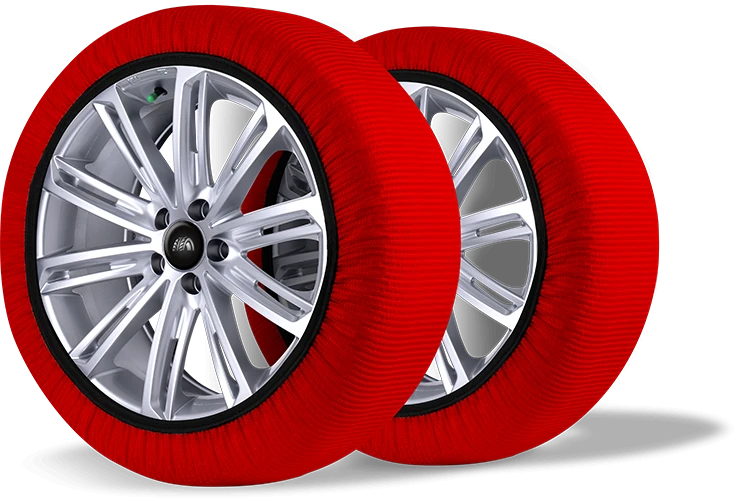
Do not turn a tyre rating into an accessory limit
Additional load and speed markings describe the tyre’s service information. They do not establish how fast you may drive with a removable traction device fitted. The snow-sock instructions, vehicle restrictions and relevant road limits remain separate considerations.
Preserve information without guessing
A close-up that includes the complete sidewall sequence helps a supplier understand the tyre you are asking about. If you are unsure which part is the size, send the photograph rather than removing unfamiliar characters or inventing an interpretation.
- Copy the size accurately.
- Keep other markings visible.
- Ask which exact product is confirmed.
Knowing what each code refers to prevents two different specifications from being merged. A correctly read tyre rating is useful information, but it is not a snow-sock compatibility or operating-speed approval.

