
Inspect the snow socks before relying on them for a journey, including a set that has spent most of its life in storage. The condition of the actual items matters more than a remembered purchase date.
Use the product’s inspection guidance
Look over both socks and the regions identified in their instructions, including the textile, seams and fitting areas. This is an opportunity to notice a problem, not to invent an acceptable damage limit from a photograph of another brand.
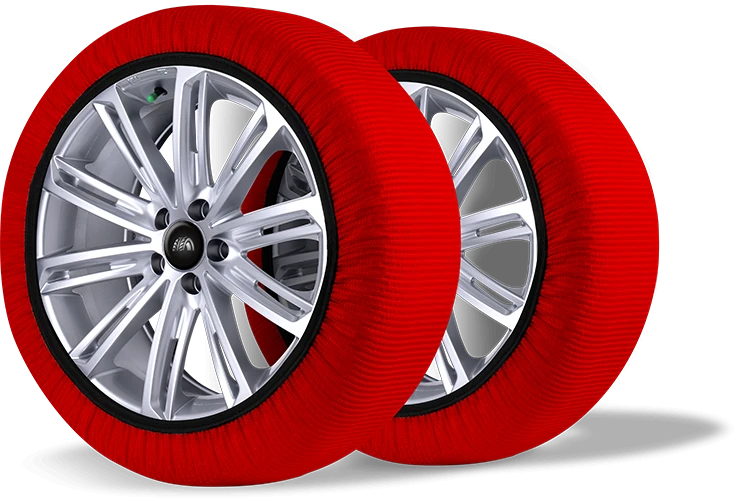
Check identity and completeness
Make sure the labels can still identify the product and size. Keep the matching instructions with the equipment and compare the supplied contents with the relevant version’s list. A well-kept outer box does not establish the condition or completeness of the items inside it.
Keep an uncertain item separate
If a tear, seam problem or unexplained change is found, record it and ask for product-specific advice. Avoid packing the set back into the ready kit while the question remains unresolved. Clear photographs can help explain the issue without claiming to diagnose it.
- Both items inspected
- Identity and instructions retained
- Damage questions resolved
A useful pre-use inspection leads to a clear readiness decision. “It was fine last winter” is part of the history, but it cannot replace examining the equipment you are about to use.

