
Rear-wheel drive means the rear wheels are driven. Connect that fact with the vehicle’s actual traction-device instructions and fitted tyres before choosing equipment, and prepare kit access before loading the car.
Do not assume both axles match
Some vehicles use different front and rear tyre sizes. Read and label the complete codes instead of copying the front marking simply because it is easier to photograph. The relevant product must be checked for the tyres at the fitting position permitted by the handbook.
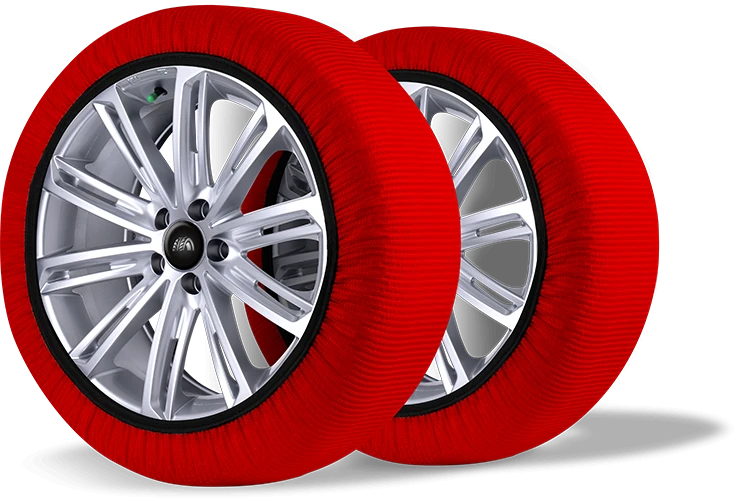
Think about access before departure
A loaded boot can hide the kit, while the fitting directions may be stored in a separate bag. Decide where the equipment and instructions will remain accessible. Check that the person who may need to fit the product knows how to find the correct information.
Keep handling and performance separate
A convenient fitting rehearsal can help you understand the procedure. It is not a measurement of how the vehicle will climb or brake on a particular winter surface. Use the product directions and current road information to plan the journey.
- Read the vehicle guidance.
- Record the relevant tyre sizes.
- Make the kit accessible after loading.
A rear-wheel-drive label should lead to a more precise preparation record, not a universal driving promise. Resolve the particular fit and restrictions before the car is packed for the trip.

