
Use the driven-wheel arrangement specified by the exact vehicle and product instructions. Identify the relevant axle and restrictions before the journey; do not choose from appearance or apply a blanket front-or-rear rule to every AWD vehicle.
Use the correct handbook
Check the model year and drive configuration. Vehicles sharing a name may have different versions, and the badge on the boot is not a substitute for the relevant manual. Look for the sections covering tyres, traction devices or snow chains.
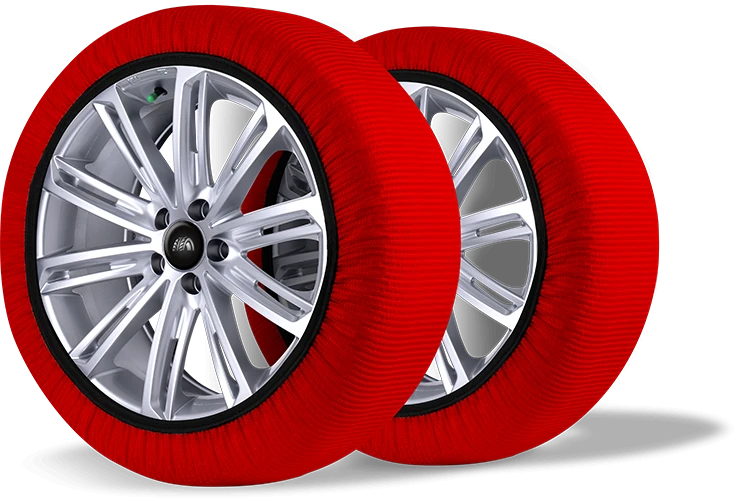
Connect position to tyre size
Once the vehicle instruction is clear, read the full tyre code at the intended position. If the two axles use different sizes, keep them labelled. The product then needs a confirmed chart entry for the tyres on which it is permitted to be fitted.
Resolve conflicting advice
A marketplace answer for another car or a blanket rule for all four-wheel-drive vehicles can create a misleading shortcut. If the handbook and product information appear inconsistent, request model-specific clarification. Preserve the relevant passage in the enquiry so the actual issue can be answered.
- Correct model and drive system
- Permitted fitting position
- Matching product and tyre size
The useful outcome is a documented fitting arrangement for this vehicle. Do not turn a general reference to driven wheels into permission to ignore a specific restriction or to choose whichever axle is easier to reach.

