
Front-wheel drive means the front wheels are driven. That fact helps you read the vehicle instructions, but it does not override restrictions on traction devices or particular wheel combinations. Confirm the actual configuration before preparing the kit.
Identify the version you drive
Use the handbook for the correct model year and configuration. Do not infer the drive system from where the engine is located or from a similar car owned previously. If the vehicle documentation is incomplete, resolve that question before relying on an accessory recommendation.
Read the equipment restrictions
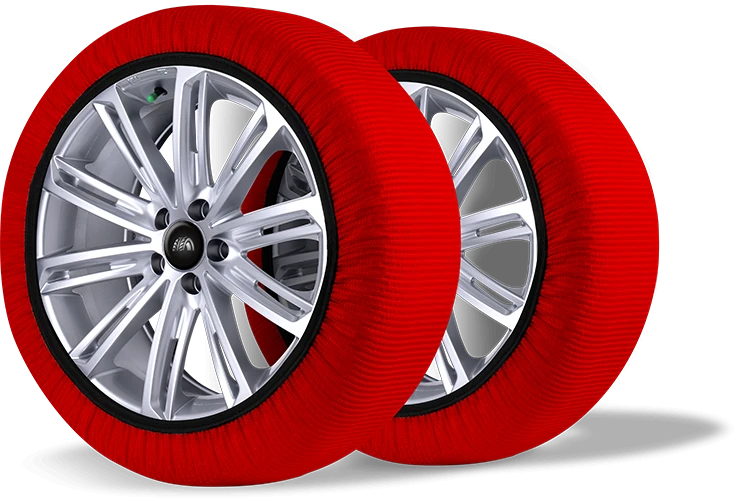
The handbook may discuss traction devices alongside particular wheel or tyre combinations. Record the relevant instruction instead of reducing it to a general sentence about drive type. The product also needs to be listed for the complete tyre size at the permitted fitting position.
Prepare a concise fitting record
Write down the vehicle identification details needed for support, the tyre code and the exact snow-sock series. Keep that note with the instructions so another driver does not have to reconstruct the decision during a journey.
- Correct vehicle version
- Relevant handbook passage
- Confirmed product and tyre combination
Front-wheel drive answers one question about the vehicle. It does not remove the separate checks for tyre compatibility, clearance restrictions or the conditions in which the exact snow sock is intended to be used.

