
A recently updated web page can describe a much older test. When reviewing winter-equipment evidence, record the test year separately from the page’s publication or update date.
Find the original test context
Look for the report’s method, vehicle, tyre dimensions and tested models. ÖAMTC’s snow-chain comparison, for example, identifies its test as 2021 and describes the specific equipment assessed. That year should remain attached to the result even when the page is accessed later.
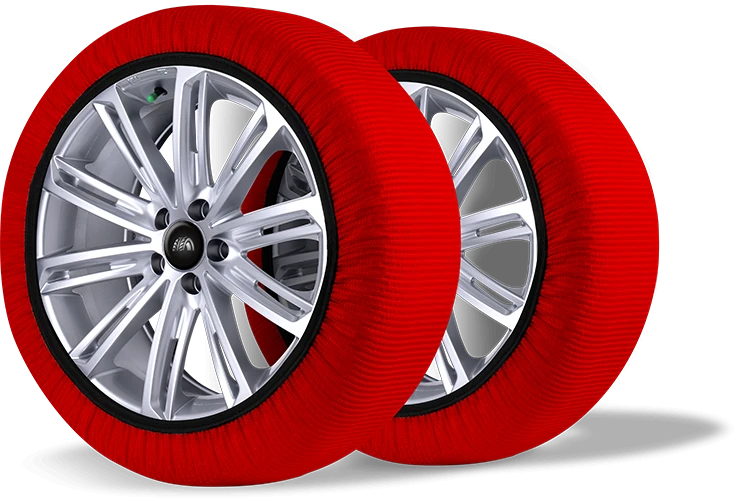
Identify the products precisely
A familiar brand or model name can continue across product changes. Do not assume an older tested item is identical to the version currently sold. Equally, a result for another manufacturer is not a MATTE product test.
Keep dates visible in your notes
Record the test date, page update date if available and the date you checked the source. This makes the claim easy to revisit if product information changes. Avoid replacing the older test year with the current calendar year in a headline.
- When was the test performed?
- Which products were tested?
- What information was updated later?
Older evidence can still be worth reading within its limits. The important step is to describe its age and scope honestly rather than presenting a refreshed page as a newly performed comparison.

