
A guide should not attach a braking-distance number to a snow sock without an appropriate, identified test. A vehicle pulling away on snow demonstrates a different task from stopping under controlled conditions.
Look for the missing test details
A useful braking comparison identifies the products, vehicle, tyres, surface and method. It should explain the conditions rather than offering an isolated percentage. A result also belongs to the tested model, not automatically to every textile product sold under a similar description.
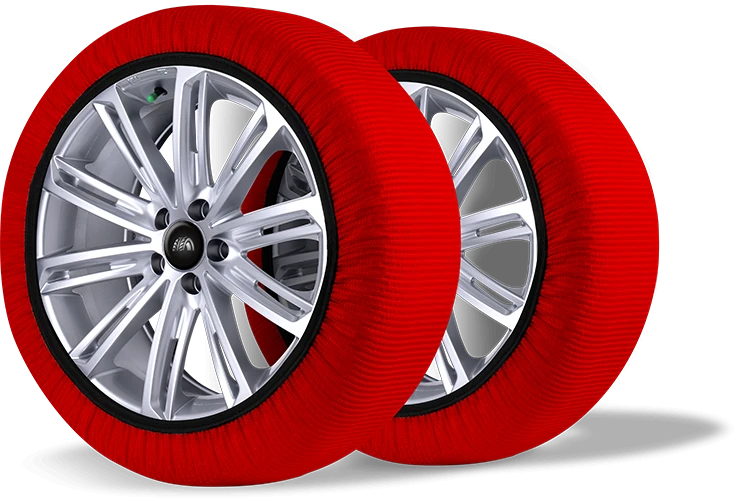
Keep outcomes separate
Starting, steering, braking and wear can lead to different observations. A video might show one clearly while saying nothing measurable about another. Do not combine those separate tasks into a claim of complete grip or guaranteed stopping.
Apply the right practical lesson
For a real journey, adapt speed and following distance to the conditions. Extra equipment should not be used as a reason to reduce space or maintain a familiar summer timetable. A claimed maximum operating speed is not a prediction of stopping distance.
- What was measured?
- Under which conditions?
- For which exact product?
When the necessary test information is absent, the honest answer is that the numerical braking benefit has not been established by that material. Use the equipment instructions and prepare the journey without inventing the missing result.

