
A useful comparison identifies which questions it measured. Fitting time, starting traction, braking and wear are different outcomes, so a strong result in one should not silently stand in for the others.
Read the method before the ranking
Find the vehicle, tyres, surface, product versions and procedure. Check whether the report explains repeated measurements or how its conclusions were reached. An overall score is easier to interpret when the underlying tasks are visible.
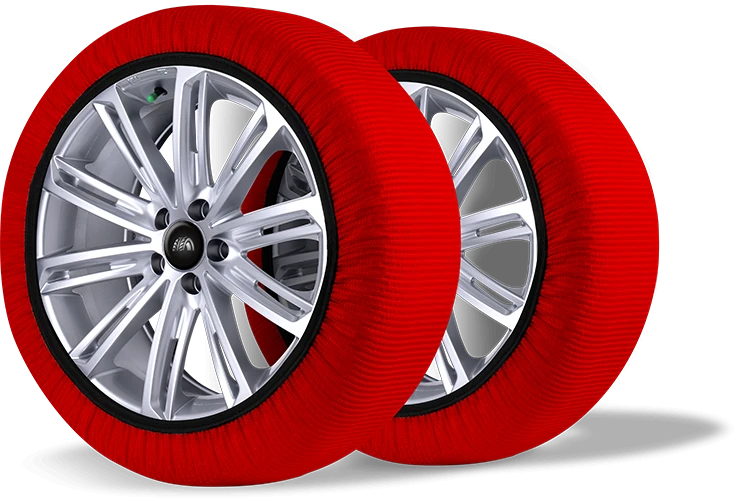
Keep handling and driving results apart
A product can be discussed as convenient to fit without that observation measuring its braking performance. Likewise, a wear exercise describes the stated conditions and distance, not a universal life expectancy for every journey. Read each result in its own category.
Check what the comparison leaves unanswered
A test may not address your vehicle, tyre combination or intended use. Those gaps do not make the report useless, but they limit what can be concluded. Product compatibility and local requirements still need separate confirmation.
- Handling
- Driving outcomes
- Wear under stated conditions
Use a comparison to understand the measured trade-offs. Do not turn the winner of a particular method into an unconditional answer for every driver or into evidence for a product that was not in the test.

