
A tear report is more useful when it describes the product and the event clearly. Keep the original condition and relevant records rather than beginning with an unsupported explanation of who or what caused it.
Identify the supplied item
Keep the series, size, product code and purchase record together. Photograph the label and retain the fitting directions used. These details help distinguish the item supplied from another product discussed in an earlier order or online review.
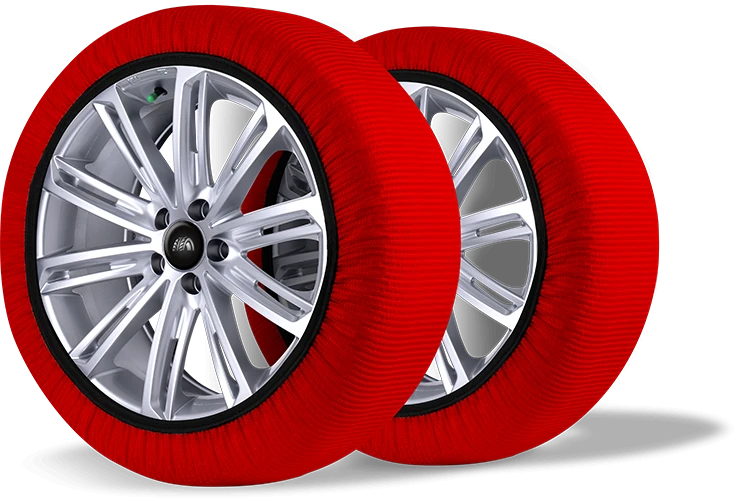
Document what is actually visible
Take an overview and a close-up of the affected area. Show both socks where comparison is relevant. Do not make an improvised repair before asking about the condition, since altering the item can make the original concern harder to assess.
Describe the use honestly
Provide the vehicle, complete tyre size, fitting position, known surfaces and when the issue was noticed. Mark uncertain distances or missing history as uncertain. A factual timeline can support a useful answer without claiming that the cause has already been established.
- Product and purchase details
- Condition images
- Known sequence of use
Ask for the next product-specific step and keep the set separate from ready equipment while its suitability is unresolved. The purpose of the record is a clear assessment, not an invented technical diagnosis or a promise about an outcome.

